

Everything you need to know about viscose
Viscose is a term frequently used in the textile industry, but what exactly is it? In this blog post, you'll learn everything you need to know about viscose, from its production and properties to its advantages and differences compared to other materials like cotton and polyester. Let's delve deeper into the world of viscose.
What is viscose?
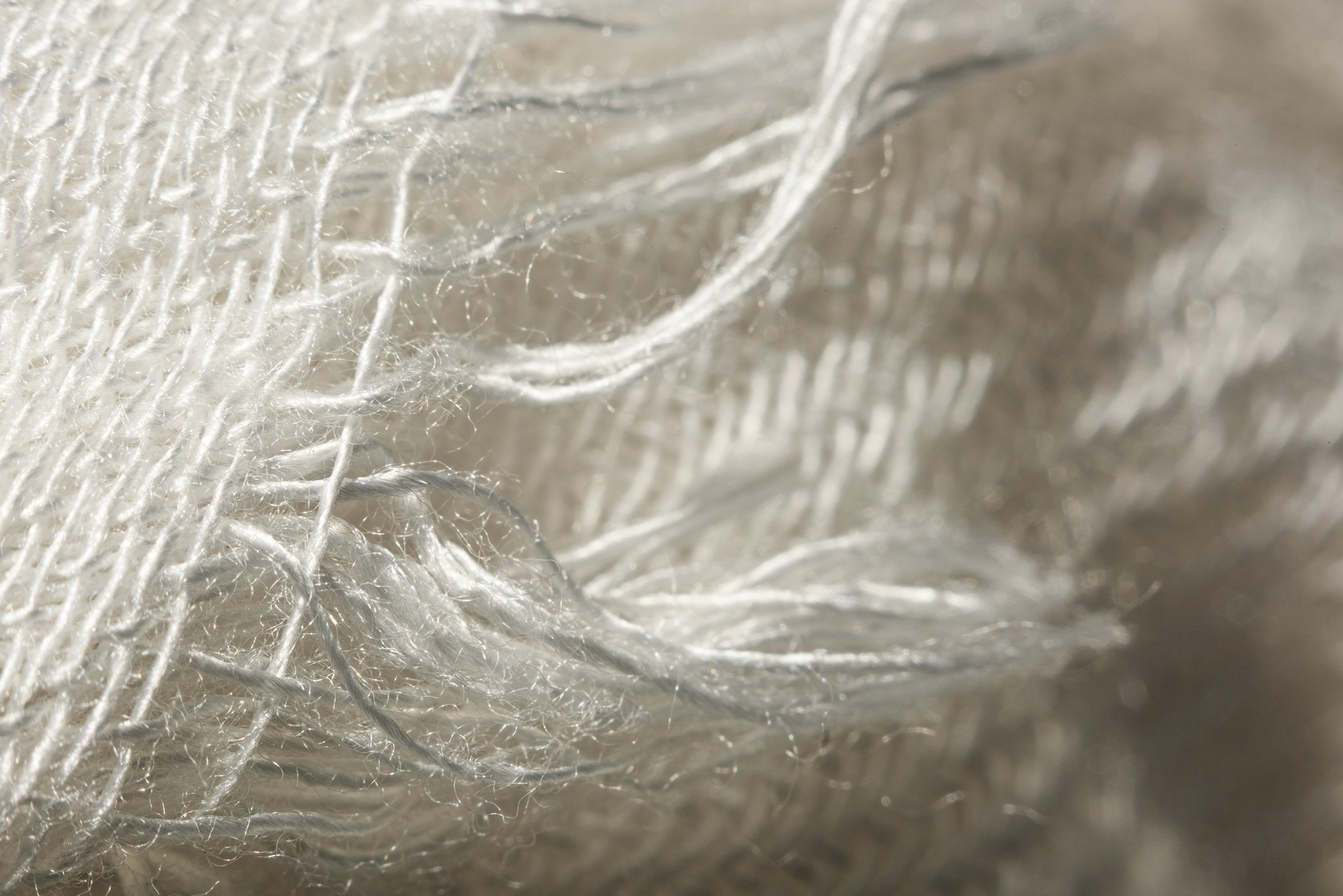
Viscose is a semi-synthetic fiber made from cellulose, a natural polymer. The cellulose is usually obtained from wood, particularly beech, spruce, or eucalyptus trees. The manufacturing process involves converting the cellulose into a viscous liquid, which is then forced through fine nozzles to create threads. These threads are subsequently spun into fabrics.
Viscose: Properties and Benefits
Viscose is known for its silky texture and soft feel. It resembles natural fibers like cotton and silk in many ways, making it a popular choice in the textile industry. Here are some of the most notable properties and benefits of viscose:
- Softness : Viscose feels soft and pleasant on the skin, similar to cotton and silk.
- Breathability : The fabric is breathable and ideally suited for warm weather conditions.
- Moisture absorption : Viscose has a high moisture absorption capacity, which means that it absorbs sweat well and wicks it away from the body.
- Versatility : Viscose can be easily dyed, making a wide variety of colors and patterns possible.
- More environmentally friendly than pure synthetics : Because viscose is made from natural raw materials, it is biodegradable and therefore more environmentally friendly than purely synthetic fibers such as polyester.
Differences between viscose and other materials
Viscose vs. Cotton
Cotton is a natural fiber obtained from the seed hairs of the cotton plant. Both materials have their own advantages:
- Origin : Cotton is 100% natural, while viscose is a semi-synthetic fiber.
- Care : Cotton is more robust and can withstand higher washing temperatures, while viscose requires more gentle treatment.
- Softness : Both materials are soft, but viscose often feels smoother and silkier.
Viscose vs. Polyester
Polyester is a completely synthetic fiber made from petroleum products. Here are some differences:
- Environmental aspects : Viscose is biodegradable, while polyester takes a very long time to decompose.
- Comfort : Viscose is more breathable and feels more comfortable on the skin than polyester, which absorbs moisture less well.
Use of viscose in our products
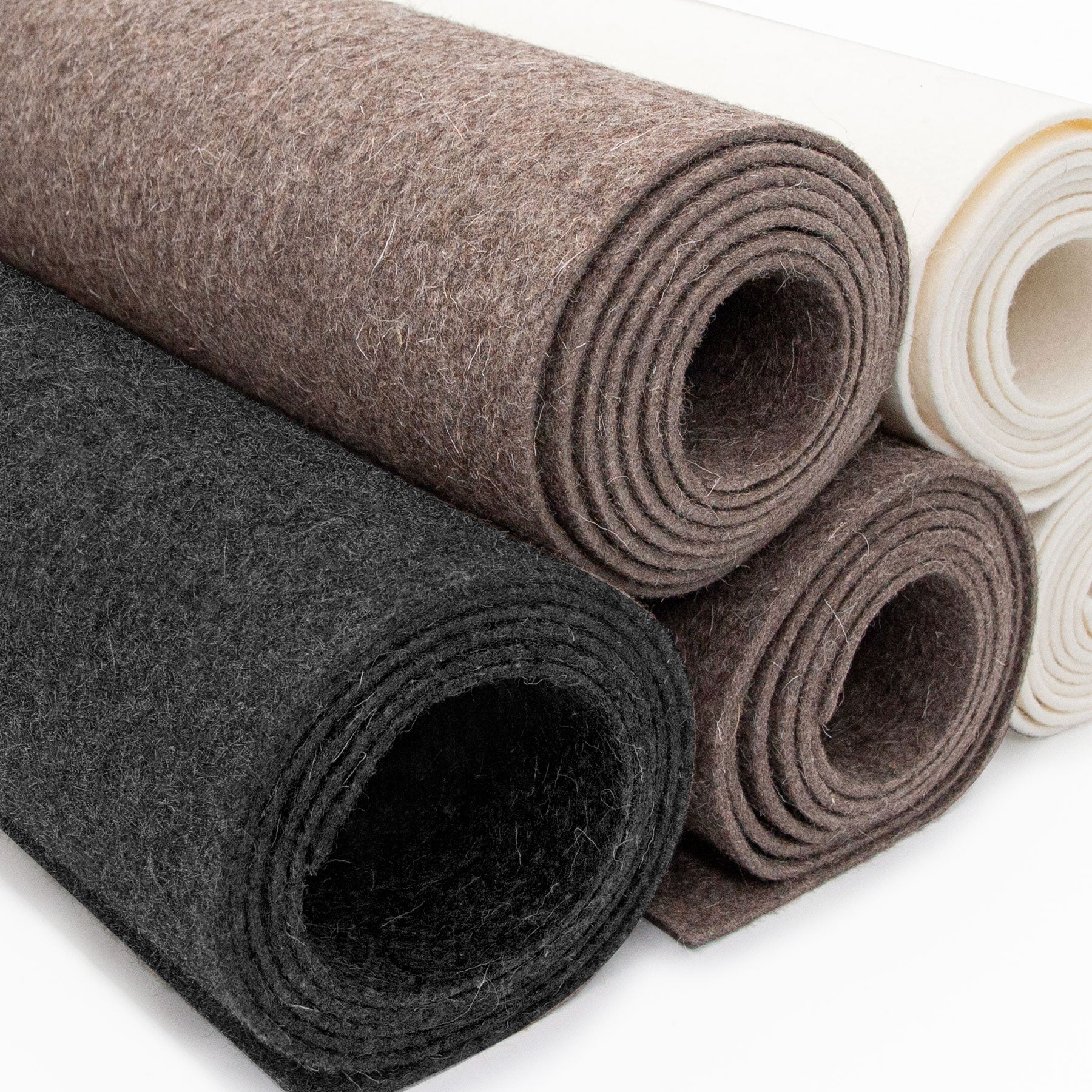
At The Felt Store , we use viscose in our high-quality self-adhesive felt tapes. Our felt tapes are made from a blend of felt and viscose, giving them extra softness and flexibility. This combination ensures excellent durability and versatility, ideal for creative projects and craft applications. For example, our felt tapes are perfect as sealing strips, to prevent rattling in cars, or even as felt glides.
Conclusion
Viscose is a versatile material that is gaining increasing importance in both the fashion industry and craft applications. Its soft, breathable, and eco-friendly properties make it an excellent choice for various textile products. If you would like to learn more about our felt tapes with viscose , please visit our product pages and discover the many uses of this fascinating material.